Photography + observation
Dates, locations, circumstances, authorship, and the conditions under which a record was made remain attached to it.
How material enters the record depends on how it is found, created, received, documented, verified, and protected before public representation.
Dates, locations, circumstances, authorship, and the conditions under which a record was made remain attached to it.
Participation, quotation, attribution, anonymity, recording, and later use are discussed and documented as appropriate.
Permission to enter a place does not automatically authorize every photograph, recording, identification, or publication.
People are told what is being made, where it may appear, and how it may circulate whenever the context calls for informed agreement.

Archives, public records, platform material, and other open sources enter the work through provenance, rights, and verification—not availability alone. OSINT is one source mode; publicly accessible material is not automatically verified, ethical to identify, or licensed for reproduction.
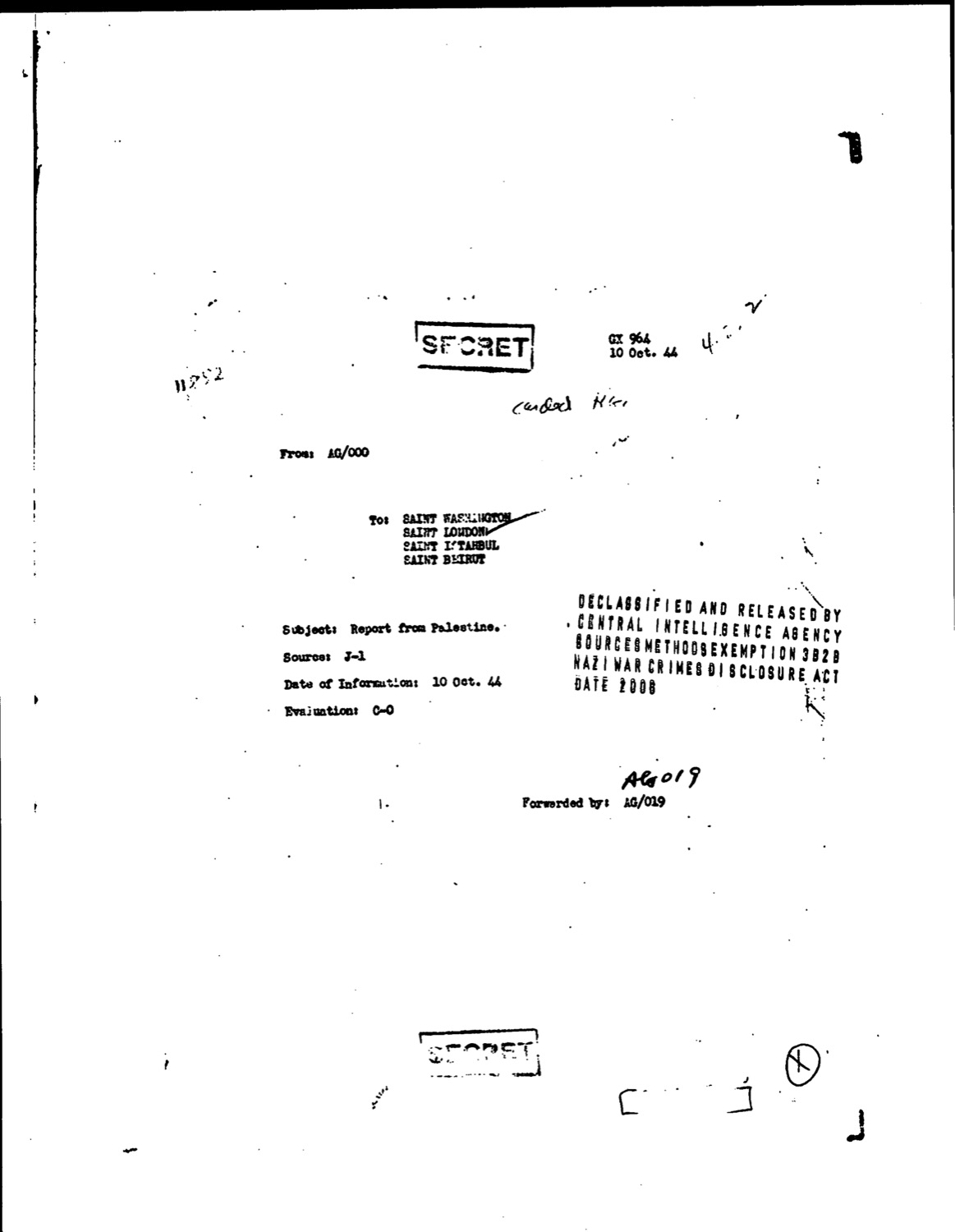
Collection identity, call numbers, page order, access conditions, reproduction rights, and the source’s material context remain legible.
Official publication does not remove the need to establish authenticity, scope, date, jurisdiction, and later correction or withdrawal.
Origin, capture method, timestamps, platform context, manipulation risk, corroboration, privacy, and identification risk are evaluated before use.
Lawful access, permission to reproduce, ethical publication, and responsible recirculation are treated as distinct questions.
Verification records what is known, how it is known, what conflicts, and where confidence ends. Protection limits exposure when identification creates foreseeable harm.
Format, sequence, internal evidence, surrounding records, and known transformations are checked before a source is treated as genuine.
Creator, date, location, collection, custody, identifiers, modifications, and acquisition context are recorded where available.
Independent records, witnesses, contextual evidence, and competing accounts are compared without manufacturing agreement.
Names, faces, voices, locations, metadata, and combined details may be withheld, reduced, or described without display when exposure creates risk.