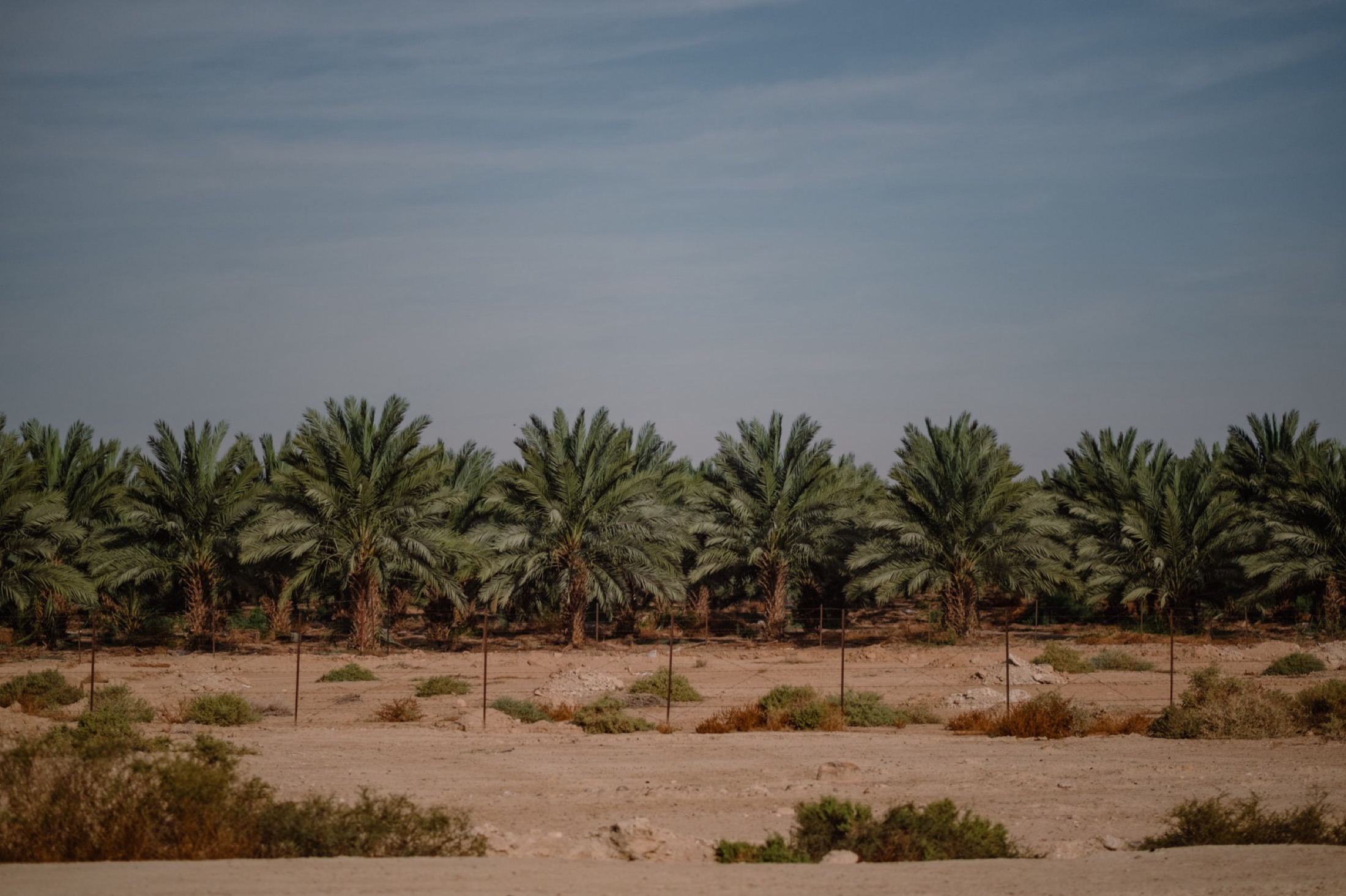
Drop
Publish a bounded, source-led body of work. The release is not the end of the process; it becomes the stable source for a repeatable cycle of adaptation, distribution, learning, and improvement.
Each drop is a source-led release designed to become many attributed forms—built for particular platforms, audiences, and uses.
Publish a bounded, source-led body of work. The release is not the end of the process; it becomes the stable source for a repeatable cycle of adaptation, distribution, learning, and improvement.
Shape it for a specific format, audience, and use, then move it through platforms, partners, publications, and public settings.
Observe what travels, what returns people to the sources, and what becomes useful.
Apply what was learned.
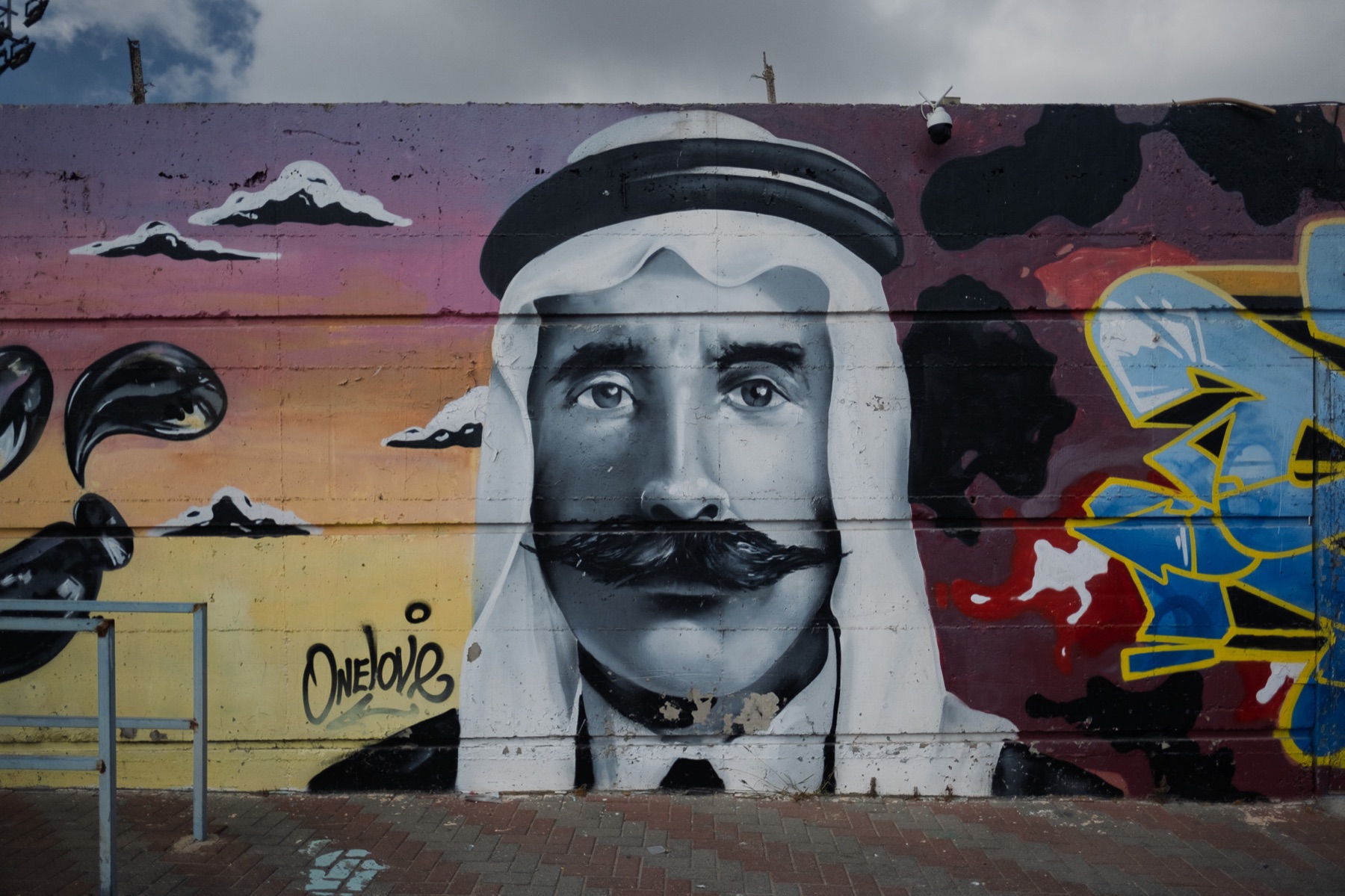
Threads, carousels, captions, scripts, voiceovers, clips, and episodes identify the originating drop and distinguish quotation, adaptation, and commentary.
Essays, editions, lessons, and presentations cite the canonical release and preserve source-level references wherever the format permits.
Public programs and displays identify the originating work and give audiences a usable route into its evidence, context, and limitations.
Material adaptations carry attribution, rights information, and a durable path back to the source body from which they were made.


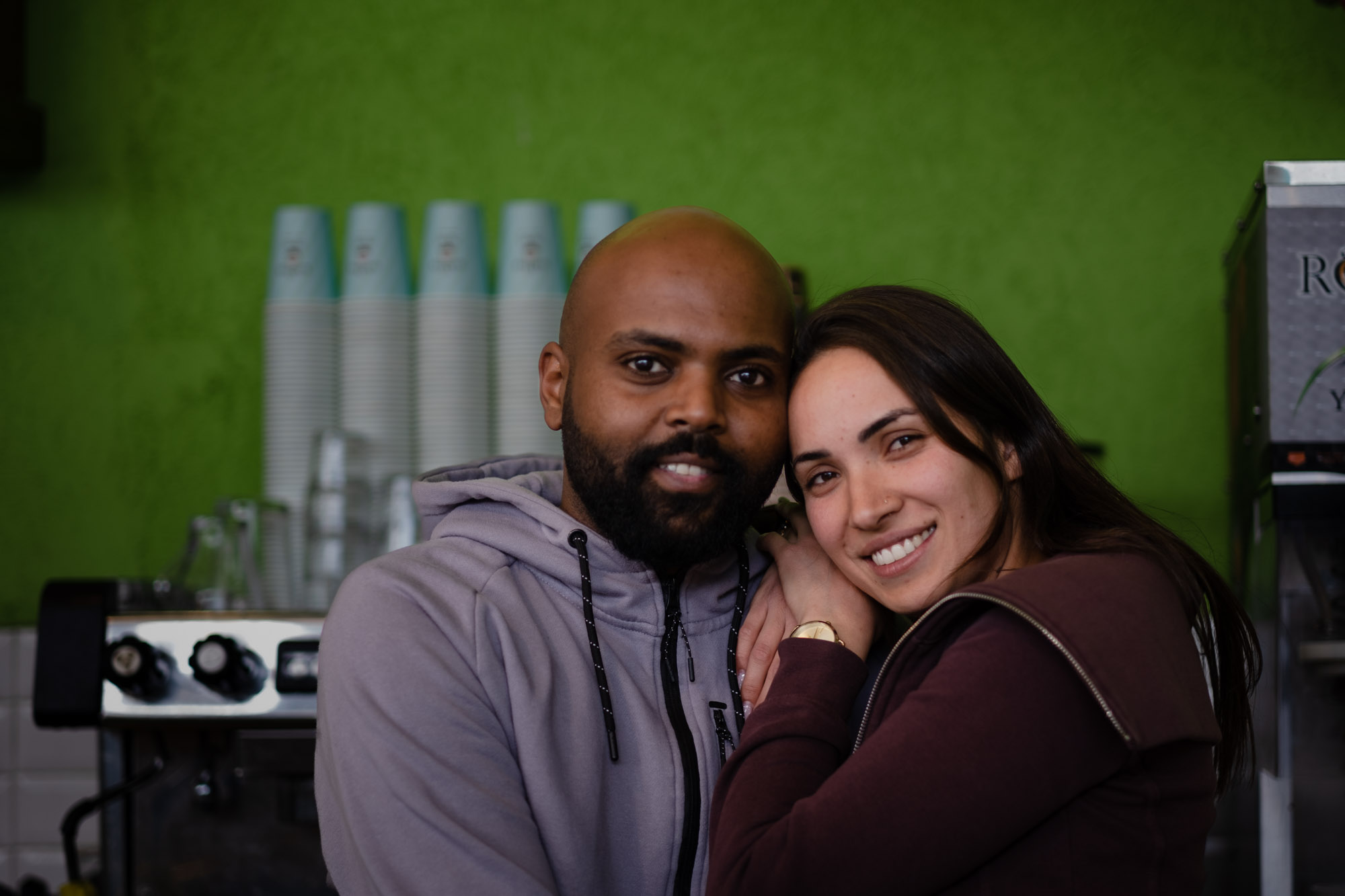
A photograph compounds only when it is published where people already look, discoverable, reusable, and connected to enough context to remain useful. The work builds that durable visual record for journalists, educators, researchers, Wikipedia editors, search engines, and AI systems. A beautiful photograph left on a hard drive cannot fill a public gap.
Three months test what to document, how to caption it, where to publish it, and what actually gets found or reused.
Reach provides context, but these signals show whether the work is actually entering and improving the public record.
Small groups receive different documentation missions so they produce complete, useful packets instead of hundreds of duplicate photographs.
Access, consent, privacy, attribution, and accessibility remain conditions of the work—not performance numbers. Victim memorials and other sites of grief require particular restraint; documentation must never treat grief as content.
Read the publication safeguardsThe first sprint proves the method. Taglit is how the method can scale.